
Top 5 Items Local Removalists Always Pack First

Top 5 Items Local Removalists Always Pack First

Below are the top 5 items local removalists pack first.

Home Decor

Home decor items can be anything from small to large furniture, art pieces, collectibles, vases, and light fixtures. Some of these items can also be tagged as fragile such as lampshades, paintings, and antique furniture so it’s best to leave them to local removalists and insure these items too.

Kitchen Items

Kitchen items also contain fragile and sharp objects such as knives, glassware, utensils, and other porcelain items. Local removalists know best how to wrap them properly, place them in moving boxes, and where they should be in the transport vehicle.

Clothes and Beddings

Clothes can be something you can prepare in advance. You can fold them and leave them in a designated area where local removalists can find them and gather them in a moving box. The same goes for bedding, curtains, and carpets. Be sure to just have them in a place where they won’t gather dust.

Electronic Items

Small electronic items such as your microwave, toaster, coffee maker, or induction stove must be unplugged. Leave the packing of these appliances to the local removalists as long they are all in the same area. Large electronic items connected to a certain utility subscription such as your internet modem, your washing machine, or TV may need your guidance as local removalists unplug and move them.

Books, Toys, Shoes, CDs

These items are usually the easiest to sort and pack. Just make sure to gather them all in one place and let the local removalists handle the packing before transport.

Why using a professional removalist is always the best decision

Moving locally or interstate is very time-consuming. When you have other important things to do, it is best to have an extra hand to complete the move timely.

Local removalists can expertly sort small to large items for you, pack them and supply the boxes and wraps, and finally, transport them to your new home or office.

St Albans Removals is a dependable removalist for home and office removals in Brisbane, Gold  We provide packing services for small to large items, supply packing materials, and short to long-term storage for some of your bulk items.
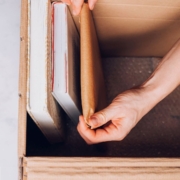
How To Move & Store Books

How To Move & Store Books

Moving house or business can be overwhelming if you have a large collection of books to transport. The process of packing your books securely to ensure they don’t get damaged can be particularly intimidating. However, book lovers don’t need to worry! In this guide, we’ll reveal how to pack books for moving and how to store books using the very best protective methods.

1. Sort Out Your Book Collection

Before you move your books, it’s a good idea to sort through your collection to get rid of any unwanted reads – especially if you’re downsizing to a smaller property. This means you’ll have fewer books to pack up and move, making your transition much easier. To do this, separate your books into 3 different piles – one to keep, one to donate and one to throw away. You could also have another pile for selling. Charity shops, churches, schools and even supermarkets often collect donated books to use or sell on. If you’re thinking of selling any books, try eBay or Amazon as the first port of call. Check out our decluttering guide here for more information.

2. Select the Correct Cardboard Boxes

Books are heavy so using the correct packing materials is imperative. You’ll require high-quality, sturdy cardboard boxes for moving and transporting your books. Not only will cardboard boxes protect your books, but they’ll also help you move them safely without dropping them and risking injury to yourself. We’ve listed the best places to source free cardboard boxes from here.

3. Place Light Books in Small Boxes

Any light books, such as children’s reads can be placed in small boxes. You’ll just need to ensure the box is sealed with packing tape to prevent any books from falling out during moving or transportation.

4. Prepare Your Boxes for Added Protection

One of the best tips on how to pack books is to use packing paper and bubble wrap for extra protection. You can place a layer of bubble wrap at the bottom of your box, placing heavier books towards the bottom. Wrap each book in packing paper to protect the covers. If you have any expensive or first edition books, place a piece of card inside the cover to ensure their spines are straight. When packing, don’t overfill the boxes as this could cause them to burst open.

5. Stand Hardcover Books Upright

Want to know how to pack books to move them? Stand your hardcover books upright with their spine placed next to the side of the cardboard box. Remember to place them in packing paper first. This should ensure that they don’t move during transit. If you have any gaps in the box, fill them with bubble wrap, packing peanuts or rolled up packing paper to prevent your books from falling over.

6. Stack Paperbacks in The Box

Stack your paperback books on top of each other in your cardboard boxes. Again, place the spine next to the side of the box. This will prevent any damage from occurring. You can also pack hardback and paperback books together using the two methods we’ve mentioned. Just fill in any spaces to keep them tightly packed together.

Moving House with Plants

A Step-by-Step Guide to Moving House with Plants

Let’s face it; moving house is one of the most stressful things you’ll ever have to do. But if you throw delicate plants into the equation, you stand a good chance of raising those stress levels even higher!

It pays to be prepared if you’re planning a big move and have some green friends to take with you. You can do plenty of things to make the move easier for your plants, ensuring they cope with the journey and settle into their new environment well.

5 steps for moving plants

If you’re already feeling overwhelmed by the monumental task of keeping your plants safe during a house move, we’re here to help. Follow our step-by-step guide, and you’ll soon see there’s nothing to it. Here’s what you need to do and when.

1. Remove decorative pots

Decorative pots are easily damaged, so remove them and set them aside to be packaged separately. Plants will be fine in their plastic pots for the move itself.

2. Prepare your boxes

You can’t think about how to move a storage shed without considering your new garden.

Don’t forget to make way for your shed in your new outdoor space! Ensure ample access to the garden, remove any obstructions and clear the spot where your shed will sit.

3. Plan how you will pack the plants

Think about arranging your plants in your space, separating small plants from larger plants. Plants packed tightly together will be safer, as they’re less likely to fall over during the journey.

4. Keep more delicate plants aside

If you have any particularly delicate or fragile plants, leave these to one side and package them up on their own once everything else is ready.

5. Leave boxes open for sunlight

Don’t be tempted to close the boxes. Your plants will soon start to suffer if they’re in darkness. Leave the tops of the boxes open and place them somewhere where they’ll still get some light while you move the rest of your belongings.

If you’ve questions about how to transport house plants when moving, we’re the removals company to talk to. Give us a call to find out more.

Storage Tips For Office Managers

10 Organizational & Storage Tips For Office Managers

Dealing with paper clutter, endless office supplies and random bits of junk can leave you feeling overwhelmed and distracted. What’s the best way to boost your productivity and mood? By organizing your office. Getting your office in order can seem like a monumental task. However, with our clever office organizing ideas, you’ll be able to sort out your office workspace quickly and efficiently. Ready to get started?

How to Organize Your Office

Office organization starts here! With these handy office organization ideas, you’ll have your office space looking clean and tidy within no time.

1. Use Magazine Holders to Stay Organized

Sort through any piles of paper and place any shared office literature in a magazine holder. This is a great way to reduce visual clutter. Plus, it prevents you from losing any useful office resources.

2. Get A Filing Cabinet to Store Unwanted Files or Folders

Keep as much clutter off the floor as possible. That means investing in filing cabinets to store files or folders – particularly important archives or HR and health and safety documentation. Implement an alphabetical or numerical filing system to keep your documents organized. This will ensure you can find files quickly and easily, without having to search for hours.

3. Clear Out Unwanted Items

Effective office organization can’t begin until you’ve cleared clutter or junk that’s piling up around the office. A clear, tidy office will improve employee motivation and productivity levels. Remove any surplus or unwanted office items, place things in their original home and discard any litter.

4. Keep The Most Used Office Items Easily Accessible

A great organizational tip is to keep the most used items in the easiest location for staff to find and use them. Anything employees use regularly, such as a shredder, printer and office supplies should be stationed where they can easily reach them. If necessary, add labels reminding employees to keep these areas tidy after use.

5. Shred Unwanted Paper Documents Regularly

Try to get employees into the habit of shredding unwanted paper items regularly. This will prevent piles of paper from mounting up on desks – particularly important if you handle any confidential documentation. If your office handles important contracts that are signed, make sure employees are told to file these away as soon as possible so they can be easily located.

6. Create A Digital System

More companies are now using digital databases to store all of their paperwork. Using cloud storage rather than cabinets and cupboards gives you extra space in your physical office. If you do have paper documents, scan them immediately and then file them away. This regular task could be assigned to a junior office clerk or administrative assistant.

7. Keep Cords Tidy

Electric cables and cords can easily become tangled, especially when you’re in an office with multiple workstations. Implement using cable ties and cord covers for an easy and inexpensive way of keeping your cables tidy. It’ll also prevent any mishaps or accidents happening to have these tidied away properly.

8. Give Everything A Label

Labelling items helps employees to know where everything is. Additionally, it also makes it easy for people to put things back. Purchasing a label maker is a good investment and it doesn’t take much time at all to label office supplies.

9. Create Work Zones

Establishing work zones helps to keep your office flowing. Have a zone for workstations, a zone for printers and scanners, as well as a separate space for filing cabinets, office supplies and any other means of storage.

10. Organize Paper Trays

Create separate and clear trays for incoming documents, outgoing mail and important items that need attention asap. A high functional system like this is effective in a busy office environment if you still use paper documents.

Organizing Your Office Is Easy With St Albans Removals

Office organization doesn’t need to be a stressful task. With St Albans Removals, you can put your unrequired items into storage quickly and efficiently. Our business storage facilities are safe and secure. We’ll even collect your items for you and return them when you need them back. Get in touch today for a free quote.

Moving Items Into Storage

Moving Items Into Storage

Packing and moving your items into storage can be time-consuming, stressful and overwhelming. Whether you’re moving house, downsizing, planning a business relocation or simply placing some surplus belongings into storage facilities, knowing some of the best packing tips will make putting items into storage much more straightforward. In this article, we reveal our top moving storage tips to make your life easier.

1. Prepare your packing materials

First, it’s a good idea to plan the packing materials that you’re going to need. For moving your items into a storage unit you’ll require varying sizes of packing boxes, marker pens to label your boxes, bubble wrap, tissue paper or newspaper, packing tape, protective coverings and dust sheets. If you have large, bulky or extremely fragile items, wooden crates are recommended. Avoid plastic bags as these can harbour mildew in storage. Remember, if you’re on a budget, it is possible to get moving boxes for free.

2. Plan your moving day in advance

Whether you’re moving house, relocating your business or simply placing items into storage, noting your moving day a few weeks in advance makes it easier to book a moving van and organise a storage unit. If you need assistance with the moving process, you’re also going to require extra hands. That means you’ll have to plan with friends or book a removal team.

3. Keep an inventory of your items

As you’re packing your items, keep an inventory of the goods you’re placing into storage. This will enable you to keep track of your belongings, alerting you to anything that may go missing during the moving and transportation process.

4. Declutter anything you don’t need

Before packing your items, it’s best to declutter anything you don’t require. This means you won’t need to send as much stuff into storage. The most effective way to declutter is to separate your items into three piles – one to keep, one to throw away and one to donate to charity. It’s possible to apply similar principles when decluttering your workspace, too.

5. Never pack hazardous items

Dangerous items are unlikely to be stored by units. Before you begin your packing, you’ll need to make sure what you can send into storage and what items are forbidden.

6. Understand the size of boxes you need

Before you collect your packing boxes, you’ll need to know what size of boxes you’re going to require. Naturally, you’ll need larger boxes for big items and small boxes for smaller sized goods. Some items may be able to be stored in their original box if you have them.

7. Place heavier items at the bottom

One of the most effective moving tips for packing your goods is to place heavy items at the bottom of the box. It’s best to place things in similar sized boxes if you can as things can easily topple over if not packed correctly. Additionally, avoid placing soft items at the bottom of the box as these can easily get squished by things on top of them.

How to Pack a Vase for Moving

How to Pack a Vase for Moving

Vases are fragile and awkward to move, which is why properly packing your vase for your move or for storage is essential to keeping it in one piece. With our method your vase will be safe through transport and storage – and it will only take you a couple minutes to prepare it! This method can be used by anyone, with or without special knowledge of packing materials and methods. Your basic vase should only take a couple minutes to pack properly; by comparison an antique vase might take up to ten minutes and require freight grade packing materials.

How to pack a vase:

  1. Build your box.

    For packing fragile items like china, vases, small lamps, or ornaments, you should use small and medium boxes; don’t try to stuff a bunch of valuable fragiles into a larger box. St Albans Removals recommend using good quality double walled boxes. Building a box is very easy; just open the flat package and fold the cardboard leaves on the bottom side.

  2. Tape the box.

    Tape the bottom of the box two or three times with an “X” or a “+” shape to ensure it is strong. How you are going to tape the box depends on the nature of the items you will put inside and the size of the box itself… But if you are unsure err on the side of caution and reinforce!

  3. Use bubble wrap.

    This will protect fragile items like your vase. Air in the bubble acts as a cushion. You can also use packing paper first, then bubble wrap and tape the vase up after wrapping for extra protection.

  4. Fill empty space.

    Most damages happen if you allow your items to move inside their package. The easiest way, in our experience, to prevent this is to mash up packing paper or newspapers and stick it in between the items inside a box. You can also use foam peanuts/popcorn instead.

  5. Pack the box.

    If the vase is small you can pack more fragile items into one box making sure they are sufficiently separated inside. You can use cardboard or balled up paper to separate items inside boxes.

  6. Mark your box.

    Mark the box as fragile and describe its contents. Fragile flag will help your moving team treat the boxes properly. Fragile items will be stacked on top of non fragile items. Proper labelling will also serve as a guide during the move and will help with unloading the boxes into correlating rooms; it will also come handy after removals for unpacking. You’ll know the contents of the box just by looking at it.

We hope our short guide will help you when moving home! If you have any questions or concerns St Albans Removals are here to help.

Hotel Removals Guide

Hotel Removals Guide

Moving is relatively cheap and easy when all you have to relocate are some workstations and a filing cabinet. Hotel removals, on the other hand, can be considerably more challenging and costly. Not only do you have to deal with greater quantities of furniture and higher square footage, but also tougher logistics. To make matters worse, if you don’t establish a brand presence in your new area, even the slickest of logistics can’t save you. This is a time to focus on your business continuity and marketing, so don’t hesitate to lean on commercial hotel moving services to deal with the rest. Here are a few tips to tease the bumps out of your relocation.

Create an Inventory

Relocation and chaos often go hand in hand if not planned out carefully. Proper preparation is your only way out of the confusion. Asset auditing is time-consuming, but sometimes you have to take time to save time. An IT asset audit and a room-by-room stock audit will help you stay organised and on top of what you have and what needs moving where. If you’re using a hotel removals company, this will provide them with all the information needed to handle an intelligent move. More importantly, it will protect you from losses and breakages.

Create a Label System

If you’ve ever moved house without itemizing your boxes, you already know the importance of labelling systems, but your hotel move will require an upgrade on your scribble-on-the-side-of-a-box solution. Color coding can be particularly helpful to distinguish between departments, hotel rooms, IT equipment, and communal spaces. Use that code to label your new hotel so that your movers know exactly where everything belongs when it’s time to unpack.

You’ll need instant access to general business licenses, permits, alcohol licenses, etc, so create copies and add urgency labels. Workplace management software will make it easier for you to capture your inventory.

Disassembly and Packing

Disassembly and packing are two of the most time-consuming components of your move, but fortunately, you can outsource both tasks. Whether you’re using your own staff or hiring a removals specialists, it’s best to assign team leaders to supervise their own departments.

Packing is an art, and the materials involved have become remarkably good at protecting your assets from breakage – as long as you use the right materials. If you’re unsure what you need to pack up your assets adequately for a seamless move, experts removals specialists can help advise you on what you’ll require.

Transporting Your Items

Arrange a vehicle adequate to transport your equipment on moving day. Once your items have arrived at the other end, it’s a good idea to have staff on hand at your new location to supervise the unpacking process. Think in advance about parking and permits that may be needed – as this can cause headaches when left to the last minute. A good commercial removals company will be able to arrange vehicles and permits, plus transport your items safely on moving day.

We Provide a Full-Service Removal and Storage Solution for Hotels

Moving costs are as steep as logistics strategies are complicated, especially if you handle your relocation yourself. Hiring a professional team can remove this burden, allowing you to focus on keeping business running smoothly. We cover every aspect of the moving process, from transportation to packing and reassembly, and we also offer temporary and long-term storage solutions. Get in touch for a free quote today.

Packing Tips For Moving

Packing Tips For Moving

Packing and moving your items can be time-consuming, stressful and overwhelming. Whether you’re moving house, downsizing, planning a business relocation or simply placing some surplus belongings into storage facilities, knowing some of the best packing tips will make putting items into storage much more straightforward. In this article, we reveal our top moving storage tips to make your life easier.

1. Prepare your packing materials

First, it’s a good idea to plan the packing materials that you’re going to need. For moving your items into a storage unit you’ll require varying sizes of packing boxes, marker pens to label your boxes, bubble wrap, tissue paper or newspaper, packing tape, protective coverings and dust sheets. If you have large, bulky or extremely fragile items, wooden crates are recommended. Avoid plastic bags as these can harbour mildew in storage. Remember, if you’re on a budget, it is possible to get moving boxes for free.

2. Plan your moving day in advance

Whether you’re moving house, relocating your business or simply placing items into storage, noting your moving day a few weeks in advance makes it easier to book a moving van and organise a storage unit. If you need assistance with the moving process, you’re also going to require extra hands. That means you’ll have to plan with friends or book a removal team.

3. Keep an inventory of your items

As you’re packing your items, keep an inventory of the goods you’re placing into storage. This will enable you to keep track of your belongings, alerting you to anything that may go missing during the moving and transportation process.

4. Declutter anything you don’t need

Before packing your items, it’s best to declutter anything you don’t require. This means you won’t need to send as much stuff into storage. The most effective way to declutter is to separate your items into three piles – one to keep, one to throw away and one to donate to charity. It’s possible to apply similar principles when decluttering your workspace, too.

We Offer An All-Inclusive Packing, Moving & Storage Service

Need help with your packing, moving and storage requirements? We’re here to make things that little bit easier. As trusted experts in packing, removals and storage, we understand how to take care of your items safely and securely, as well as ensuring they’re transported to and from storage with optimal care. Get in touch for a free, no-obligation quote today.

How To Pack Refrigerator For Storage

How To Pack Refrigerator For Storage

If you’re putting items into storage, contemplating how to move a refrigerator can be an overwhelming thought. What is the best way to move a refrigerator? Is there a best way to transport a refrigerator to a storage unit? How do you pack a fridge? You don’t need to worry as in this article we’ll share our top tips and advice on moving a fridge freezer to ensure the process is as seamless as possible.

The Best Way to Transport a Refrigerator for Storage

How do you transport a fridge freezer? To know how to move a fridge, follow these next steps.

Make A Clear Path to Your Vehicle

It’s essential that you make a clear path between your fridge freezer and your vehicle. As a refrigerator is a bulky, heavy item, it’s difficult to move. Ensure there are no trip hazards or any dangerous items in your way. If you have a pet, try to place them temporarily in another room.

Remove Doors If Needed

Once you’ve cleared your path, it’s time to measure your fridge and entrances to ensure that it will fit through them without hassle. If you think it may get stuck, it’s a good idea to remove the doors as this will create extra space for it to fit through.

Slide Your Fridge Out Carefully

Carefully lift your fridge forwards so it’s on a slight tilt. Put furniture sliders under the back of the fridge. Place your body in front of your refrigerator, holding both sides. Push from side to side and then gently forwards. At this point, it should start to move towards you.

Move Slowly

The top and bottom of your appliance should be evenly positioned on your trolley before you start to move it. When moving your fridge freezer out of your property, you must move slowly, especially if you have to move up or down stairs. In this case, one person should be in front and one at the back of the trolley. With the fridge at a 45-degree angle tilt, make your way up or down the steps with the person at the front gently pulling it towards them.

Use A Ramp to Place It on A Vehicle

Rather than lifting the fridge onto the vehicle, it’s much easier to use a ramp. This makes the process quicker and easier, preventing you from injuring yourself.

Place Your Fridge in An Upright Position

Fridges are best transported in an upright position and secured with extra ropes or cords. However, if this is not possible, then they can be placed flat on the floor of the vehicle. Make sure it’s as secure as possible and won’t topple over during transportation.

We’re The Experts in Removals and Storage in Hertfordshire

At St Albans Removals, we’re highly experienced in packing and moving bulky items such as fridges into storage. We have a range of storage options across London to suit all budgets and requirements. We’re on hand to help you move items into storage, without you needing to lift a finger – and we can deliver items back to you whenever you need them. Get in touch now for a free quote.

Removals & Storage Of Fragile Items

Removals & Storage Of Fragile Items

Moving house or relocating your business can be stressful but when you’ve got delicate items to consider, it can be an overwhelming process. What is the best way to pack breakables and how can you ensure nothing gets broken or damaged? In this guide, we’ll show you how to pack breakable items for moving and how to store fragile items with ease. First, let’s look at what essential items are required for packing fragile items.

Essential Items For Packing Breakables

Extremely fragile items can break easily so they must be packed correctly for extra protection. Here are some essential items that are a must for packing fragile items.

·        Layers of bubble wrap to prevent items from breaking.

·        Fragile packing tape so the removal or storage employees know that these items need to be moved with the utmost care.

·        Strong cardboard boxes to protect your items when moving or placing them into storage.

·        Packing peanuts to help fill any empty spaces in the boxes.

·        Corrugated inserts to provide more protection.

·        Packing paper to place inside the cardboard boxes.

·        Small boxes for small glassware and ceramic pieces.

·        Towels or blankets can be used to protect smaller fragile items.

·        Ropes or cord to keep towels or blankets in place.

We’re Experts At Packing, Moving & Storing Fragile Items

Now you’re aware of the best way to pack breakables and how to store fragile items, you can be confident that the items you’re moving are safe and secure. If you’re looking to save time and hassle when moving, we can help. At St Albans Removals, we’re highly experienced movers and we also have storage units available, should you need it. Get your free quote today.