Second-Hand Boxes For Moving

Second-hand boxes for moving

Now that we’ve covered the free cardboard boxes options, let’s move onto the used moving boxes.

Gumtree

Gumtree is a treasure trove of free items, including second-hand boxes for moving. You can set the filters only for your area, and you can also buy and sell things if that’s more up your alley. You found what you needed? Good, just don’t forget to thoroughly inspect the boxes before taking them. Keep an eye out for any insects, wet spots or tears.

Freegle

Freegle is a place where you can give away basically anything you don’t need and you are not alone. All of the UK uses the website to give away items ranging from forks and knives to old furniture. And, guess what? Used moving boxes are on the menu, as well.

Freecycle

Another place that offers a good variety. However, we encourage our readers to have realistic expectations because, let’s be honest, free things are often of low quality. Free cardboard boxes might do more damage than you expect.

Social media community groups

Social media community groups can be very helpful for many things, including finding cardboard boxes for moving. You can start by browsing these places:

  • Reddit
  • Nextdoor
  • News Now

Free boxes from neighbours and friends who have recently moved

A friend in need is a friend indeed! If you have friends or neighbours who have moved recently, you can take a load off their shoulders by reusing their moving boxes. What’s more, the boxes might be in good condition, unless your friends don’t care for the state of their belongings.

Where to buy shipping boxes?

If you have exhausted all other possibilities, you can try buying used moving boxes for under £1 on Sadler’s website. Take all precautions before buying and purchase only boxes you feel certain will do the job.

Affordable moving boxes

You’re probably going to pay a professional removals company for transportation anyway, so why not spare yourself the additional work and simply add the packing and box delivery services to your query as well.
A professional removals company knows how to keep things intact and deliver them safely. The man with a van service we offer comes with full insurance when the professionals pack your belongings before the move.

Things About Moving House

8 Things No One Tells You About Moving House

If you’ve ever had to move, then you know how stressful and tiring the whole process is. Sure, a new beginning is always great, but to get there takes a lot of organizing, packing, and let’s not forget – physical strength. However, if you are new to it, remember – you’re not the first person to go through this, nor would you be the last one. And there is just so much information on the topic out there. But there is actually more to it than just getting your belongings into boxes.

With that in mind, in this article, we’ve combined everything you need to know in order to prevent the huge disaster that a move can easily turn into. Have a closer look at the below tips, take notes, and help the process of moving go smoother. In fact, we promise you that it may actually turn into a somewhat exciting experience!

It’s never too early to start

Normally, people put extra effort into planning the layout of the new property and buying new furniture that would create their perfect home. Although those are exciting tasks to think about, you shouldn’t forget to spend some good time organizing the move itself. Something to keep in mind is that packing and moving can actually take weeks, if not months of planning. No matter how many things you own, or the size of your old place, it’s best to start packing as early as possible. This way, everything will be ready and organized for the big day.

The most difficult part is starting. All you need are small steps, and it will all fall in place later on. It will make the whole process a lot easier when you’ve got everything planned out and thought of. In fact, St Albans Removals recommend to start planning the move 6 weeks beforehand and packing – 3 weeks prior to the move date.

Disruption of your daily schedule

As you can already imagine, moving to a new house can be extremely time-consuming. And in case you are employed full-time, you most likely don’t get enough free time to yourself anyway. This being said, it will be a real struggle to combine both work and the move in the same week, not to mention the same day. Take a day off.

There will be stress and anxiety

No matter whether you consider yourself an anxious person or quite laid back, we can assure you that the stress around moving houses is real. Not everyone is honest, and once done with, many forget about their complex moving experience. It’s normal to get anxious the second the decision on this big life change is made. And we won’t sugar coat it – it will likely last all the way through, up until you get the last piece of clothing through the entrance of your new property.

What’s worse is that most of the discomfort feeling often comes from the fact that you pretty much depend on others, as much as you depend on yourself and your own abilities. Hence why you should choose your professional packing and relocation services wisely.

You have more belongings than you think

You will be shocked by the number of items you actually own. We all forget about the existence of some. Items that we once thought were important and had a high value, but then end up finding years later in the most bizarre places. And this always happens when either spring-cleaning or relocating homes. Although it can be challenging, you should sort all items you’ve collected over the years into two piles – one for items to keep, and one to clear.

Get rid of everything unnecessary

Yes, we all keep hold of dozens of unnecessary things, such as old clothes. Or those green and purple glass vases that we all seem to get from our aunties for Christmas. Giving those to charity or holding a garage sale are great ways to declutter your home. Offering them to neighbours or listing them on websites, such as eBay or Facebook, are also good alternatives.

You will always forget something

There is not much you can do to prevent it. The whole process of moving is extremely exhausting and mentally challenging, so it’s almost certain that something will be left behind.

This is where checklists come in. If you don’t lose them as well, of course. Making a checklist for moving house is a quick and easy way to take control of your move. They shouldn’t be too complicated – a simple piece of paper and a pen will do the job, so close the Excel file. Now, sit down, make yourself a cup of tea and take a few hours to write down everything that comes to mind. And we are not talking about listing items alone – you should write down all important tasks, and plan Bs in case something goes wrong with the move.

It’s better to arrange pet care

If moving is stressful for you, imagine how nerve-racking it is for the furry family members. No matter the scale of the move, simple changes can significantly impact your pet, and you should plan ahead accordingly.

Moving is particularly stressful for cats and dogs. You’re their best friend and will be the first point of contact in case they feel overwhelmed. You, on the other hand, will be occupied with packing, cleaning, and planning the move. This being said, it’s best to ask someone to look after your pet, as you won’t be able to spare the needed time and attention at that very moment.

Having kids around on moving day is not ideal

People imagine the way their happy kids react once they go through the doors of their new home. But jumping around in excitement to see their rooms and playing on their own will take no more than half an hour.

So, for your ease and even their safety, you should ideally leave them with someone they are familiar with. Try asking family or friends to look after them for the day of the move. If possible, having the kids taken care of for two-three days would give you the perfect opportunity to set up their new bedroom. This will speed up the process of the little ones getting used to the new place.

Takeaways

Remember – there is not one house move that has gone perfectly. If you do your best to organize it well, the process will go smoother than expected. And yes, you will have boxes lying around for some time until you get the energy, and you feel strong enough to take care of them. And that’s fine. The good news is that at this point, it will all be coming into place and start feeling like home.
Moving houses is incredibly exhausting and time-consuming. And why should you do it all on your own? Go ahead and give us a call. Trust St Albans Removals and let the team of professionals give you a hand with your relocation.

How To Prepare A Box Of Essentials

How to prepare a box of essentials

One of the most important moving tips you will ever come across. The box of essentials should contain items you will need right after your move is over. It’s important to take into account any other outside factors which may affect what you pack into your essentials box. Depending on weather conditions and the location of your new home, you might need to include more items than you think. For example, if you’re moving house during winter, you will have to pack extra duvets, scarves, hats, and gloves.

If we haven’t stressed it enough already, here is another reminder to start packing as early as possible. This way your essentials box will be halfway full by the time the moving day comes. Leave some spare room so you could later add last minute items. Put this box last in the moving van, so you can later have easy access to it once you’re done relocating. Don’t forget to ask your house removals service supplier about a man and van insurance – for the safety of the rest of your moving boxes.

Here is a basic list of what your box of essentials should contain:

  • Double purpose garments
  • Set of office clothes (if necessary)
  • Bedsheets and duvets
  • Snacks, canned or boxed food
  • Can opener
  • Eating utensils
  • Pans and pots
  • Towels and dishcloth
  • Toiletries
  • First aid kit
  • Baby supplies
  • Pet food (if you have a pet)
  • Instruction manuals for all your electric appliances remote controls
  • Toolbox

For more detailed information, you can check out what advice the St Albans Removals Team gives on how to prepare a box of essentials, as well as the most important rules when moving with Heavy Boxes.

Now that you know how to pack for moving home, we wish you happy packing and good luck!

Packing Tips You Must Know When Moving

Packing Tips You Must Know When Moving House

Moving house sounds exciting, but it never is an operation we look forward to because very often we don’t know where to begin. You have to contact utility companies, clean your entire home before you leave, hire a removals firm in advance, not to mention pack all your belongings. So, how to pack up your house for relocation and make sure you don’t forget something in the process?

Packing supplies you need

No matter how many boxes you have lying around the house, you will need a variety of box types to accommodate all your belongings. You will also need to make sure that they are sturdy enough to weather the moving itself. Many often overlook the fact that purchasing moving boxes and other packing materials is a necessary part of house relocation.

If you have any spare plastic boxes, you can pack your fragile and valuable items in them. Alternatively, provided you have the time to search for free moving boxes, there are plenty of ways to obtain them. Keep in mind that sometimes you might have to go during a specific time of the day to procure the best ones, as some grocery shops, for example, receive shipments only once a week. Generally, you’ll need:

  • Small boxes
  • Medium boxes
  • Large boxes
  • Heavy duty boxes
  • Wardrobe boxes
  • Mirror boxes/ Telescopic cardboard boxes

For safety reasons, it’s best to use telescopic cardboard boxes if you want to pack mirrors and artwork.

You can make wardrobe boxes yourself by using a tall enough box and adding a metal rail you can find on eBay in different lengths. Additionally, you’ll need:

  • Packing tape
  • Bubble wrap
  • Styrofoam
  • Old newspapers
  • Stretch wrap for furniture
  • Marker
  • Plastic bags
  • Labels

There are whole moving house kits online you can find for different types of properties. Another option is to book a packing service from a removals company. Not only do they have different types of boxes suitable for all sorts of items, but they can also do all the packing professionally for you. Moreover, items packed by moving companies are usually insured against damage and loss.

How to pack for moving house

Begin packing well in advance

The average time it takes to pack all of your items depends mainly on their number. However, in most of our articles with packing tips, we state that you should start the process earlier than most people think. For a large house, two months should be enough if you pack one box a day. For smaller homes, one month should be just fine. Of course, there is not an exact number, but you get the idea.

Start with rooms and items you use less often

For instance, you can first tackle the rooms on the highest floor, especially if you have a loft, and then, little by little, move your way towards the bottom floors. Seasonal items you’re currently not using such as garden tools, coats, and Christmas lights are perfect examples of items you can pack before you handle everything else. Sorting through already packed belongings makes it easier to set aside the boxes you’re taking with you and those, which you would like to donate or give away.

Declutter and donate

Speaking of things you don’t want to take with you, hold a garage sale or give your old unwanted items to charity. There is also eBay, so your options are plenty. If you have friends helping you with your move, ask them whether they need anything you’re planning to sell. After all, you’re not paying them and they should get something for all their troubles. You can sweeten the deal with a pizza or drinks.

Make a detailed inventory list

These are extremely helpful if you have large collections of books, CDs, trinkets, etc. It’s okay, if you write just “Books” on the labels of your moving boxes. However, if you have specialised literature collection, which is not kept in a single room, we recommend typing out detailed inventory lists. That way you can upload the spreadsheets on your phone, while you print out and stick copies to each box.

Pack one room at a time

This is one of the most important packing tips which for some reason often gets neglected. There is a debate whether storing your items by room or by category is better. It really depends on what’s easier for you. Nevertheless, we recommend packing your belongings by rooms. Doing this will help you stay organised and will later tell the movers, or anyone unloading, which box goes where. Additionally, you can begin unloading and unpacking your items in reverse – from the top to the ground floor. Begin with the items you know won’t need any unpacking, then move the remaining boxes. This will also prevent unnecessary strain on your muscles as by the end of the relocation process you will probably be too tired to climb stairs with even more items.

Do not exceed the limit of 30 pounds per box

This is of high importance, if you move abroad, as there will be many more moving boxes to pack for sure. You might get a back injury or one of the boxes might not be able to withstand the weight when moving it. Pack light items in large boxes and heavy items in small boxes. This packing tip alone will save you a great deal of pain… literally.

Now that you know how to pack for moving home, we wish you happy packing and good luck!

Ways To Pack Small Items

Ways To Pack The Small Items For A Hassle-free Removal

Packing can be tiresome. So, removalists always recommend that you start the job a few days before the day of removal for your own convenience. And when you are packing, you might face a variety of problems with big and small items. So, today we will focus on how you can pack the smaller items before calling the removalists in St Albans.

We know that for packing the larger items, you will need to choose the best packing material. But what most people do not say is that the same thing also applies when you pack smaller materials.

Apart from the fragile furniture or appliances, careful packing is also required for smaller items that are fragile. And for that, you will need to gather appropriate packing materials.

  • Using Small Boxes For the Smaller Materials

Naturally, you will pack the smaller items in the smaller boxes. But before you can pack, make sure that the packing material is durable.

The most common packing material is a cardboard box, but there are various qualities of cardboard boxes that you can find in the market. So, choose the corrugated boxes that are thick and can offer good protection for fragile items.

  • Use Bubble Wraps for the Small Fragile Items

We assume that you are packing the small items by yourself. So, sound advice from the movers in Birmingham is that you use bubble wraps inside the cardboard boxes since they effectively protect the small fragile items like kitchen utensils, decorative items, etc. while they are on the move.

These bubble wraps are designed to protect the items from impacts and collisions. They are affordable and you can find them in any hardware store.

  • Wrap the Smaller items with Paper for Extra Protection 

Paper is always used in packing as it offers extra protection against impacts and a wide variety of packing papers are available in the market that you can use for packing. They are baking paper, the greaseproof paper, kraft paper etc.

The baking paper is water and oil resistant but cannot offer good protection against moisture. On the other hand, greaseproof paper is the best defence against moisture and among these; the strongest is the kraft paper.

It is a strong and durable paper and is designed for packing materials that will be transported.

  • Pack Small Tools with the Bigger Items

Companies providing the removal services in St Albans always recommend that you pack the small tools like screwdrivers, scissors etc. with the furniture because it will help you to better organise the items when you unpack them in your new location.

However, make sure that you pack them in a small box or a bag and attach it, or insert it inside furniture if there is necessary space.

Professional Removal Service at an Amazing Price

If you are searching for a company that provides affordable removal service in St Albans, Anytime Removal is the company you should choose. Our removalists in St Albans complete the removal safely and efficiently. So, call us now to book a professional removal service today.

Moving a Fridge Freezer

Moving a Fridge Freezer

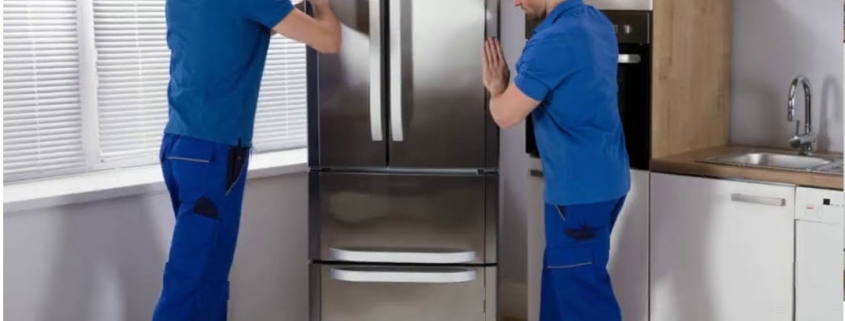
Moving a fridge freezer is a complex and tedious task. Doesn’t matter if you want to install it into a different room or transport it to a new address – in both cases, it’s a risky move that can lead to a lot of hassle.

Those who are particularly clumsy, may even injure themselves or cause damage to the electrical appliance that will lead to high costs on repairs. St Albans Removals helped hundreds of customers to move hose while transporting their old fridge to the new address. When it comes to moving fridge freezers, St Albans Removals is able to provide trustworthy information on the topic, based on real-life experience.

General tips during fridge/freezer transportation

Keep the fridge upright when loading it into a vehicle. This minimizes the chances of compromising the sealed system but also protects from causing disconnection of components inside the fridge.

If transporting the fridge upright is not possible

  • Lay the fridge down opposite to the direction in which its doors open. This will prevent spontaneous door openings
  • If dealing with French door freezers, do not place in a total vertical position. Try to move through the doors only by tilting the domestic appliance a little bit
  • Small-sized freezers should also be transported upright whenever this is possible. Compact fridge/freezer appliances have a specific drain design that is often problematic if drain water travels back into the appliance. This happens to used compact freezers and does not affect new and unboxed appliances of this type
  • Monogram refrigerators with a size much larger than the average, are best transported in a van by professionals at a house removals price that is reasonable depending on the job specifications. Maintaining an upright position during loading and unloading from the vehicle is impossible to complete alone without any specialised tools. Using a dolly during monogram fridge freezers transportation is a common and safe practice. Truck the fridge on the dolly from its left or right side. Never apply pressure on its front or rear sides as there are sensitive electronics. Carefully reading the installation instructions is a must, otherwise, there will be an increased risk of incidents or malfunction of the device.

Moving a fridge freezer from one room to another

During property renovation, people often make the step to move their fridge from one room to another. Such interior change is necessary and cannot be avoided. It may also impact your budget heavily if you damage the appliance when moving it.

To reduce the risk of incidents we recommend taking as much time as you need to make perfect measures of the whole route. This will guarantee non-problematic transportation to the next spot in your home where you’ll install the fridge freezer.

How To Store Clothes

How To Store Clothes For Long Term Storage

Most of us can divide our wardrobes into seasonal clothes, separating winter outfits from summer t-shirts and shorts. As seasons change, we tend to rotate the items in our closet, with last season’s wears becoming buried under our current favourite garments. If you have an extensive wardrobe, you may be considering putting your old clothes into storage. Placing material items into storage can lead to creasing, crinkles and musty smells if not packed away properly. So, how do you store clothes properly?

The Best Way to Store Clothes

Long-term clothing storage requires preparation to ensure your garments remain in good condition. Follow these top tips on how to store clothes to preserve your most-loved items.

1. Wash and Dry Your Clothes

Before you place your clothes into storage, it’s essential to wash and dry them correctly. Depending on the individual item, you may need to dry clean them or simply put them into the washing machine. There’s no need to iron them as they’ll require ironing once taken out of storage.

2. Eliminate Stains

Stains become worse over time if not treated. Always eliminate any old stains before putting your clothing into storage. Chemical stain removers are highly effective in removing older stains. For newer stains, you can try adding half a cup of baking soda to your machine wash cycle.

3. Clean Shoes and Accessories

Clean and polish your shoes to ensure they’re in good condition. Check over any accessories and clean these if they require it. Place scrunched up acid-free tissue paper inside handbags and shoes so that they keep their shape.

4. Donate Old Clothing

If you have old clothes, consider donating them to charity or recycling them. Fix any damaged items that you want to keep and tear up anything you cannot repair into rags for cleaning purposes.

5. Avoid Vacuum Sealed Bags

Vacuum packed storage bags are ideal for some items but not others. Clothes made with natural fibres, such as silk, can easily become damaged when placed in plastic bags as they tend to lose their shape. While storage bags are fine when used for a couple of weeks, it’s best to use plastic boxes instead for long-term storage. Just make sure that they have an airtight lid to prevent moisture from getting into them.

6. Avoid Cardboard Boxes

It’s also important to avoid storing your shoes and accessories in cardboard boxes. These can quickly become damaged by water or mould, destroying your items in the process. Place them in a plastic storage box to prevent water damage or infestation.

Removals & Storage For Fragile Items

Removals & Storage For Fragile Items

Moving house or relocating your business can be stressful but when you’ve got delicate items to consider, it can be an overwhelming process. What is the best way to pack breakables and how can you ensure nothing gets broken or damaged? In this guide, we’ll show you how to pack breakable items for moving and how to store fragile items with ease. First, let’s look at what essential items are required for packing fragile items.

Essential Items For Packing Breakables

Extremely fragile items can break easily so they must be packed correctly for extra protection. Here are some essential items that are a must for packing fragile items.

·        Layers of bubble wrap to prevent items from breaking.

·        Fragile packing tape so the removal or storage employees know that these items need to be moved with the utmost care.

·        Strong cardboard boxes to protect your items when moving or placing them into storage.

·        Packing peanuts to help fill any empty spaces in the boxes.

·        Corrugated inserts to provide more protection.

·        Packing paper to place inside the cardboard boxes.

·        Small boxes for small glassware and ceramic pieces.

·        Towels or blankets can be used to protect smaller fragile items.

·        Ropes or cord to keep towels or blankets in place.

How To Pack Breakable Items For Moving

What is the best way to pack fragile items for moving delicate removals? Here are our handy tips for packing your valuables. Use these and you’ll learn how to pack breakable items for moving with optimal confidence!

Use small boxes for glassware and ceramics

The best way to pack breakables like glasses, vases, plates or china cups is to ensure they’re placed in bubble wrap and secured with tape. Alternatively, you can wrap them in towels to protect them. Placing them in small boxes means there is less space for them to move during transit. If you do have small gaps in your box, place packing peanuts or paper to cover them.

Stack items where possible

Breakable bowls or plates can be stacked together. To pack these effectively, place a piece of strong cardboard at the bottom of the box. Then, place packing paper and a piece of bubble wrap between each bowl or plate. Stack four of five plates, placing paper around the stack and seal with packing tape.

Place televisions or monitors in their original boxes

It’s always best to place televisions or monitors in their original boxes as these will offer the most effective protection for their size. However, if you don’t have the box, remove all the cables and wrap them in bubble wrap for protection. Label them and place them in a box. As the screen is the most fragile part and susceptible to scratches and damage, use bubble wrap all around the screen and then a layer of packing paper. Wrap a thick towel or blanket over the screen, securing it with rope or a cord.

Pack appliances in protective layers

Home appliances like kettles and toasters which can easily break or get damaged should be packed in layers of bubble wrap and packing paper. This will prevent scratches, dents or marks. Just remember to seal the layers with fragile packing tape.

How To Store Fragile Items

Storing fragile items can be a concern. After all, you want to be certain that your breakable goods are going to be placed where you know they will be kept safe from damage. Furthermore, there are a few additional things to consider when putting fragile goods into storage:

·        Opt for a well-ventilated and temperature-controlled environment

·        Choose a storage unit business that understands how to store fragile items

·        Items should be stored away from water or where potential damage could occur

Arranging professional storage is the best way to store your fragile items. Professional storage units are safe and secure, protecting your valuable or breakable assets from damage or destruction.

We’re Experts At Packing, Moving & Storing Fragile Items

Now you’re aware of the best way to pack breakables and how to store fragile items, you can be confident that the items you’re moving are safe and secure. If you’re looking to save time and hassle when moving, we can help. At St Albans Removals, we’re highly experienced movers and we also have storage units available, should you need it. Get your free quote today.

How to Label Moving Boxes

How to Label Moving Boxes – 6 Simple Steps to Follow

Moving home can be so all-consuming that seemingly small things – such as labelling boxes – can fall by the wayside. But labelling your moving boxes can make a huge difference to your life when it comes to moving day.

Read on to find out how to label your boxes properly.

Why is it important to label moving boxes?

Labelling your boxes can benefit both you and your removal company.

Moving box labels will help your professional movers to understand which boxes need to be loaded first and where to put them once they’ve been unloaded from the van.

It’ll also make your life a whole lot easier when you come to unpack.

It’s also vital to label fragile items so that you and your removal company know to take special care when handling them.

There are a few different ways to label boxes – choose the one that suits you best.

Essential items for labelling boxes

Before you start thinking about what to put where ensure you have all your packing and labelling materials in order.

Here’s a quick rundown of what you’ll need for box labelling:

  • Cardboard/plastic boxes.
  • Boxes packaging, e.g. rolls of bubble wrap.
  • Packing tape.
  • Printable moving itinerary.
  • Colour tape.
  • Colour pens.
  • Colour paper.
  • Marker pens.
  • Packing labels.

How to label moving boxes

There’s no size-fits-all approach to organising moving labels for boxes, but there are some tried and tested methods you can adapt to suit your needs and preferences.

1. Make an inventory of your items

We’d highly recommend that you make an inventory of the things you need to pack and move. We’d also suggest doing this digitally and saving a copy on the cloud – if you do it by hand, you risk losing the piece of paper.

Keeping an inventory will make it easier for you to track missing items. Write down all the items you need to pack, one room at a time. When you pack it, tick it off the list and write down which box it’s in (use the colour or number method as explained below).

2. Know WHEN to label

It might seem a little silly, but it is a must to know when to label your boxes. The general rule is this: don’t label your box before you’ve packed it. It can be tempting to label a box to fill it with your belongings later on but don’t.

Similarly, avoid labelling your boxes hours or days after you’ve packed and sealed them. With so much going on, there’s no way you’ll remember what’s inside. The best time to label a box is straight after you’ve packed and sealed it with strong packing tape.

3. Use colour-coded labelling…

You might decide to go down the colour-coded boxes route when labelling your moving boxes. This labelling system is especially popular with visual thinkers and works like this:

  • Choose a colour for each room, e.g. kitchen = orange, bathroom = blue
  • Once you’ve packed a box, label it with its appropriate colour using a colour marker pen, colour tape or a colour label
  • Mark the colour next to the items on your inventory
  • Place the colour paper on the doors of each room in your new home. This will make it easier for whoever’s unloading your boxes to put them in the right place.

4….Or the number system

Try the super simple numbering approach if colour coding isn’t for you. Both approaches work well whether you’re moving straight into your new place or are planning to place your items into a short-term storage facility first.

Just write a number on the box and the room it belongs in.

For example, Box 1: living room; Box 2: loft; Box 3: spare bedroom, and so on.

Be sure to label the box number after each item on your inventory list; if you organised your inventory list on a room-by-room basis, even better!

Pro tip: Label or number each box on the top and at least one side so that its exact destination is visible when the time comes for you to unpack.

5. Label boxes containing fragile items

Fragile items need a little extra TLC to minimise breakage risk.

Be sure to wrap each item individually with extra paper or bubble wrap before placing it in the box. Use bubble wrap or old fabrics (e.g. towels) to fill any gaps.

As well as colour coding or numbering your boxes that contain fragile items, put a label on each side of the box that says: FRAGILE: HANDLE WITH CARE”.

You should also indicate which side of the box should face upwards. This will remind you and your moving company to move the box with extra care and avoid getting them wet or dirty.

6. Prepare a priority box

It’s highly unlikely that you’ll do all your unpacking the day you move.

That’s why it’s always a good idea to prepare a “priority box” that you can open on the first night in your new home. This could contain essentials or things to make you feel at home. While we can’t tell you exactly what to pack, here are a few ideas:

  • Toiletries, e.g. toothbrush and soap.
  • Pyjamas and teddy bears for the kids.
  • Snacks and a bottle of wine.

Again, don’t forget to label your priority box with what’s inside!

If in doubt, call in the professionals

If you’re looking for house removals help, you’ve come to the right place.

St Albans Removals experts can help you with the entire removals journey, from the packing process and home moving to storing and unpacking.

We’ll help you pack and label your cardboard boxes, so you don’t have to do it alone. We use recyclable and reusable packaging materials wherever possible and even provide packing and storage services for artwork, IT equipment and big musical instruments like pianos.

As well as a removals service, we can provide you with a storage solution should you need it. We pack smartly to minimise the amount of storage space you need to pay for, and our storage units are available to rent on a flexible, month-by-month basis.

Let us know when you need your items back, and we’ll deliver them to your new home!

Bovingdon Removals

Moving is in itself a stressful process. It may be hard for adults but it is worst for children. They have to change schools, lose friendships, and settle into a new environment. As normal as it may sound to adults, the reality is different for most young kids.

Although all stress cannot be taken out, the process can relatively be made easier for everyone involved. Whether you’re moving out of the city or across the city, the move will be difficult for the whole family. But, if you can keep things upbeat and try to show them that you’re in control of everything – it doesn’t matter if things take a little longer, or if you need a little help here and there – they’ll be more confident in the move and you’ll all adjust better to the new home, town and school.

To make things smoother here are our top tips to make moving with kids easier.

LOOK CONFIDENT
You can take time out to have a little cry alone, and then try to show them that everything will be fine. This way they can feel more secure in the knowledge that they have a parent that takes care of everything. They’re probably going to be more stressed than you are if they see you in pain! Keep it private, or at least only to the adults.

CONVINCE THEM ABOUT THE NEW SPACE’S POSITIVE ASPECTS!
Sending your kids to a new school is a big thing for both you and your child. Moving is all about change, which is normally scary for children. But, when you consider the positives of the move (better school, new friends etc.), it should help to ease the fear that they may experience when they arrive at the new house. Tell them about all the great things they can expect from this new place. A better school, better neighbourhood and positive environment can ease their stress.

IDENTIFY A MOVING DATE THAT WORKS FOR EVERYONE
If you have school-age children, you will want to factor in when they’ll be going back to school and when they are on holiday. If you have an infant you’ll also want to factor in daycare arrangements and nursery pick-ups/drop-offs. You might want to consider hiring a professional mover to help you on moving day itself.

GET THEM INVOLVED FROM THE BEGINNING
Kids get all freaked out when they know that the home is moving. A lot of questions can be expected from them. This is how curiosity and fear mechanisms in children work. When the family hasn’t moved before or doesn’t move frequently, then things can be more complicated and stressful. This is why it is necessary to talk to your children about the process. Involve them from the beginning. Pitch the idea of moving to a better place. Tell them about all possibilities of betterment they can look forward to. Most importantly, keep them involved and busy!

TALK TO A PROFESSIONAL
The thoughts of moving can be pretty scary, but once you’ve made the decision to move and you have chosen date then you have to deal with it. In most cases, there are only a few months before the move date and parents want to be prepared. So we opted for a family therapist. A family therapist can be a good person to let your children talk to during these times. He can convince them in a friend about how change is part of life. Things might get better and more positive after this.